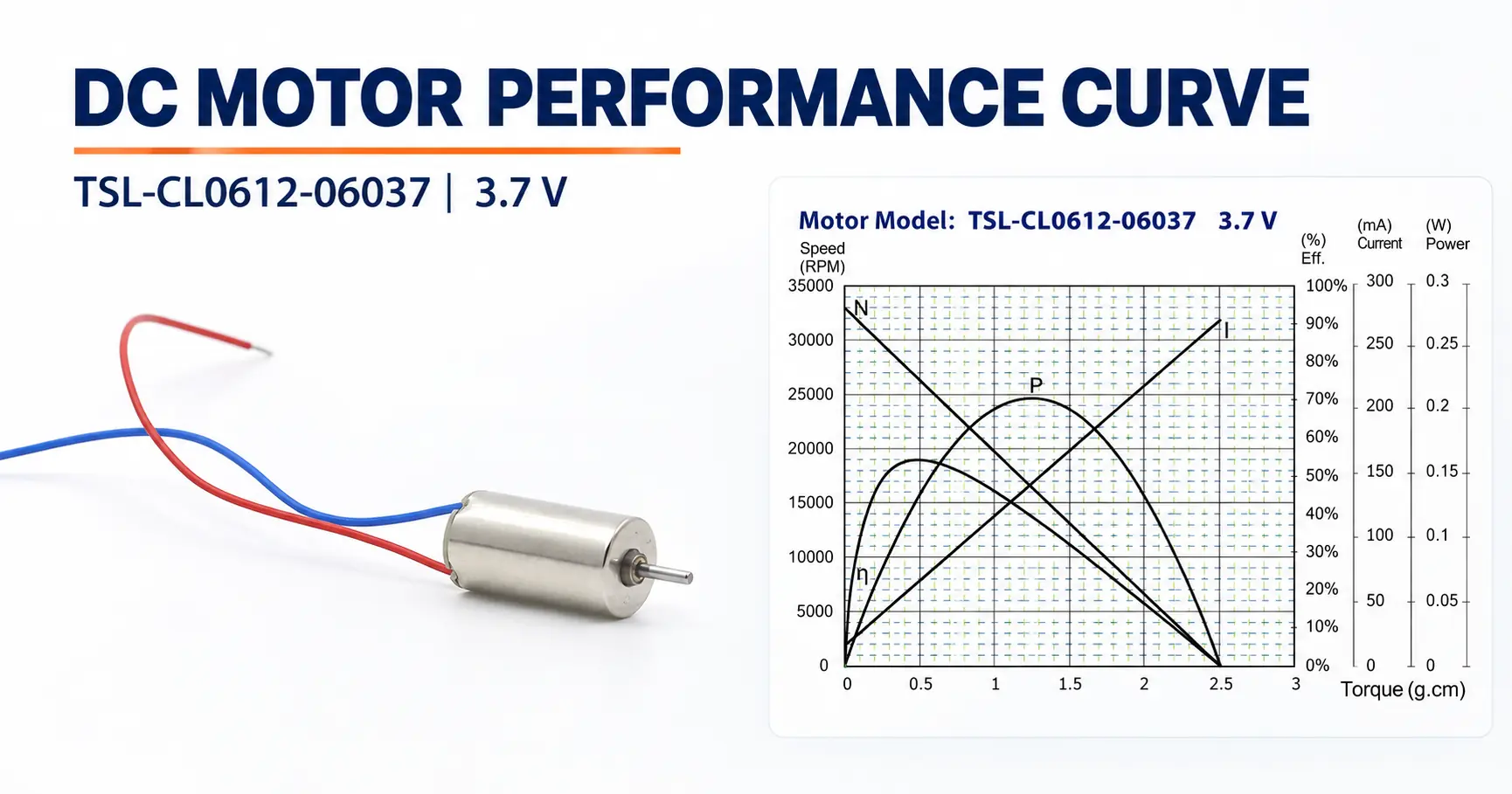
Prominent innovative LR actuator motors supply a distinctive approach to controlling diminutive instruments. Unlike conventional rotary motors, these engines deliver linear motion directly, offering improved efficiency and significantly elevated power density amongst their notably modest footprint. Such technology finds utility in categories like exact robotics, medical gadgets, and even cutting-edge consumer electronics where condensed space and precise movement are imperative. Moreover, their resonant design allows them to operate with minimized energy consumption upon correct tuning, making them an increasingly alluring option for ecological projects.
Frameless ratio gear drives supply a one-of-a-kind combination of remarkable efficiency, commonly deployed where space is restricted and unchanging torque is imperative. Contrary to conventional gear motors, these systems feature a coreless build – essentially eliminating the iron core from the assembly’s stator. This produces substantially reduced torque interference, allowing quicker acceleration and smoother responses with superior adaptability to load changes. The inclusion of a premium gearbox ensures that even at relatively low voltage, you achieve considerable drive, making them optimal for uses spanning robotics, medical devices, automated blinds, and camera mechanisms. This design often produces less heat in operation, extending overall durability and diminishing upkeep needs.Ring-and-sun speed engines embody a key breakthrough in mechanical power application, providing unparalleled toughness and strikingly compact scale. Such kinds of design utilizes numerous spur rollers orbiting a central sun, dividing the pressure among many units, yielding exceptional torque capacity and boosted productivity. Ergo, they appear increasingly deployed in demanding arenas such as robotics, electric vehicles, and industrial automation where both intense power density and reliability are crucial.Small-scale 20 Motor Encoders: 3V Fineness Control
Specified encoders provide extraordinary precision and unfailing performance when paired with N20 motors, specifically optimized for a comprehensive assortment of applications. Activating at a convenient 3V, these encoders significantly simplify circuit integration and decrease entire power demand.
Small-scale 20 Motor Encoders: 3V Fineness Control
Specified encoders provide extraordinary precision and unfailing performance when paired with N20 motors, specifically optimized for a comprehensive assortment of applications. Activating at a convenient 3V, these encoders significantly simplify circuit integration and decrease entire power demand.- Heightened positional accuracy.
- Convenient electrical connections.
- Space-saving form factor suited for space-restricted designs.
Comparing Micro-resonant, Weightless, and Satellite Gear Actuators
As picking a engine, understanding the contrasts among LRA, coreless, and planetary gear motor types is required. Vibrational actuators generally provide high torque output at the expense of lower angular velocity and efficiency; they suit applications requiring strong lifting or pushing capabilities. Coreless motors offer excellent speed control, reduced noise, and enhanced efficiency versus brushed designs—ideal when precise movements under moderate load are required. Solar drive systems implement gearing within the motor assembly, enabling substantial ratio increase, increased torque delivery, and compact form—perfect for applications demanding high torque and slower speeds. In conclusion, the optimal choice depends on specific application needs, balancing factors like efficiency, size constraints, and desired operational features.
- LRA Motors:Large Rotational Force
- Coreless Motors:Excellent Speed Control
- Planetary Gear Motors:Amplified Torque Output
Reviewing N20 Motor Feedback Applications at 3V
Examining Compact 20 motor feedback applications via specific three-volt power supply is critical helping faithful placement alongside speed command. Regular cases include robotic applications, handheld unmanned aerial vehicles, and even consumer gear. This low electrical level facilitates a safer operational milieu, particularly in wireless systems. Optimal detector choice and operator layout are indispensable to secure coreless gear motor best output.Preferring the Right Motor: Oscillator vs. Ironless vs. Satellite
Choosing an fitting motor for the task can be complex. Numerous popular kinds – LRA (Linear Rotary Actuator), coreless, and planetary gearmotors – each yield individual benefits. LRA motors generate linear motion, suited for propelling tasks, although generally not as fast. Coreless motors present remarkable responsiveness and diminished inertia, allowing precision in robotics or medical devices; however, they may exhibit a diminished operational life. Lastly, planetary gearmotors employ gear assemblies to augment torque and lower rotational speed, ideal for high-power requirements at reduced RPM—typical in conveyor belts or winch operations; their size may be bigger compared to other motors. Consider specific demands—power needs, precision, spatial limitations, and budget—to make a well-informed choice.
- LRA motors:Tailored for straight-line applications
- Coreless motors:Excellent rotational accuracy
- Planetary gearmotors:Excellent torque output
Maximizing Your Project with a 3V N20 Motor Encoder
Installing a small 3V N20 power unit encoder into your configuration can significantly enhance effectiveness. These instruments provide precise alignment, allowing refined control and minimized error in robotic, automated, and hobbyist endeavors. Careful decision of encoder resolution, form, and mounting approach is vital to achieve optimal effectiveness. By accurate measurement of twisting progression, you streamline your design's operation to reach a advanced degree of control.
Reviewing High-Advanced Miniaturization: LRA & Miniature Gearbox Solutions
The urgency for ever-more compact instruments is spurring notable progress in high-performance miniaturization. Two pivotal technologies arising as solutions are Linear Resonant Actuators (LRAs) and miniature transmission assemblies. Linear vibration devices provide direct linear progression, enabling meticulous positioning without complex mechanical translation. However, their use may be constrained by energy demand. Conversely, miniature gearbox systems offer torque multiplication from a miniature motor, providing higher force output within tight areas. Choosing the right solution—whether LRA or compact geared motor—requires careful assessment of voltage requirements, force necessary, attainable speed, size limits, and system cost.
- Merits of LRAs: Linear travel
- Hurdles of LRAs: Fuel needs
- Functions of Gear Motors: Force-hungry, compact spaces